Cursor vs Windsurf vs Kiro: AI Coding Agents Compared
A hands-on comparison of Cursor, Windsurf, and Kiro for real development work. Which AI coding editor wins for bug fixes, new features, refactoring, and learning new codebases.
Read moreReviews and guides for AI-powered tools and platforms
A hands-on comparison of Cursor, Windsurf, and Kiro for real development work. Which AI coding editor wins for bug fixes, new features, refactoring, and learning new codebases.
Read more

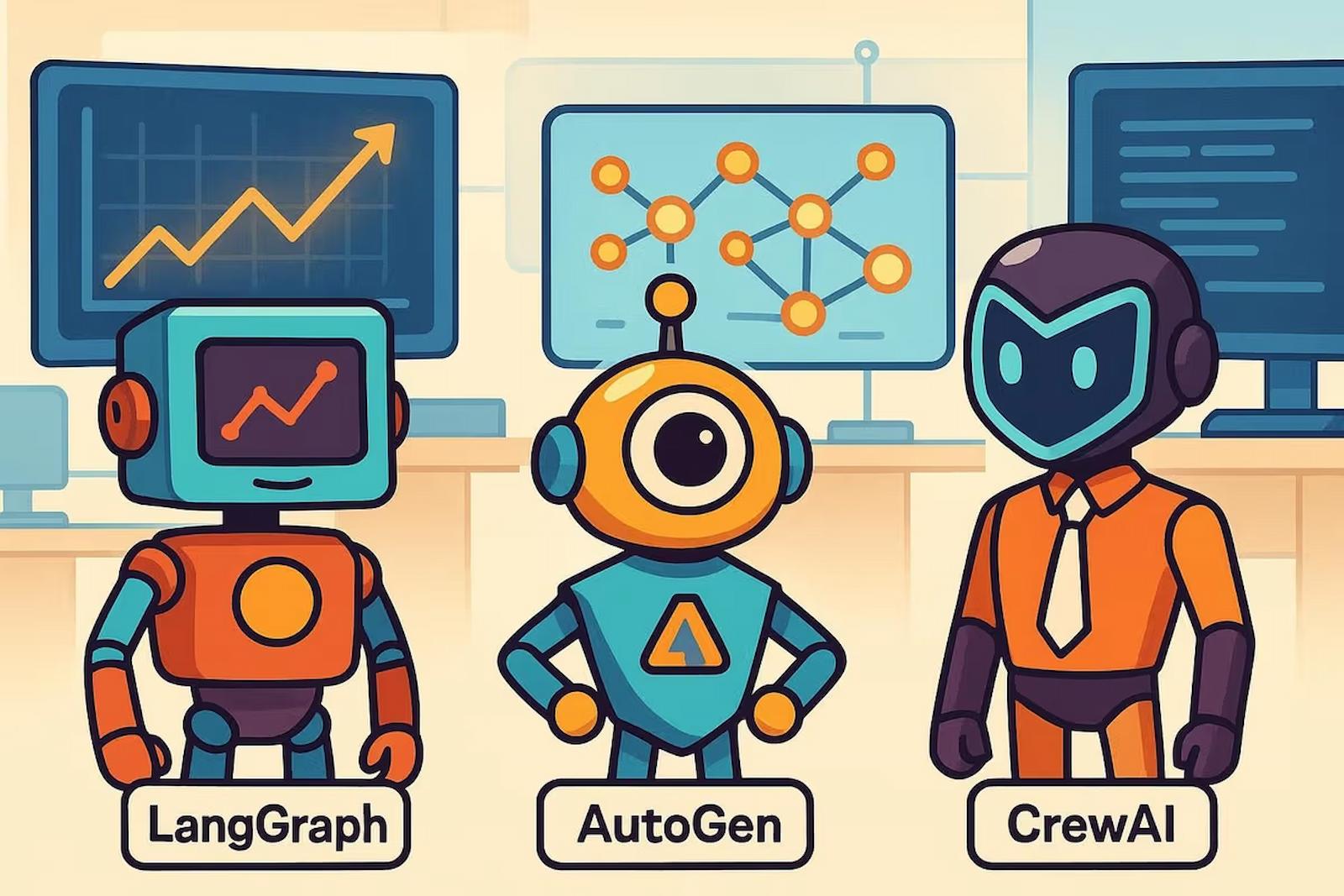
A practical comparison of CrewAI, AutoGen, and LangGraph for building multi-agent AI systems. Code examples, strengths, weaknesses, and recommendations for each framework.
Read more
PicoClaw runs a complete AI agent on less than 10MB of RAM. Built in Go for embedded devices, it connects to cloud LLMs while consuming almost no local resources. Here is what it can do and where it falls short.
Read more
A practical guide to the best open-source AI models you can run locally in 2026. Hardware requirements, model recommendations by task, and when local beats cloud.
Read more
NanoClaw runs AI agents in Docker containers for security isolation. After OpenClaw's supply chain attack, it has become the go-to alternative for developers who want agent capabilities without the risk.
Read more
Ollama lets you run LLMs locally with zero API costs. This guide covers what hardware you actually need, which models work best, and when local beats cloud.
Read more
A practical comparison of Claude and GPT-4 for real coding work. Not benchmarks — actual experience with debugging, refactoring, and building projects.
Read more
Anthropic's Computer Use lets Claude control your desktop by looking at screenshots and clicking. I tested it for two weeks on real tasks — here is what works, what does not, and the security implications.
Read more
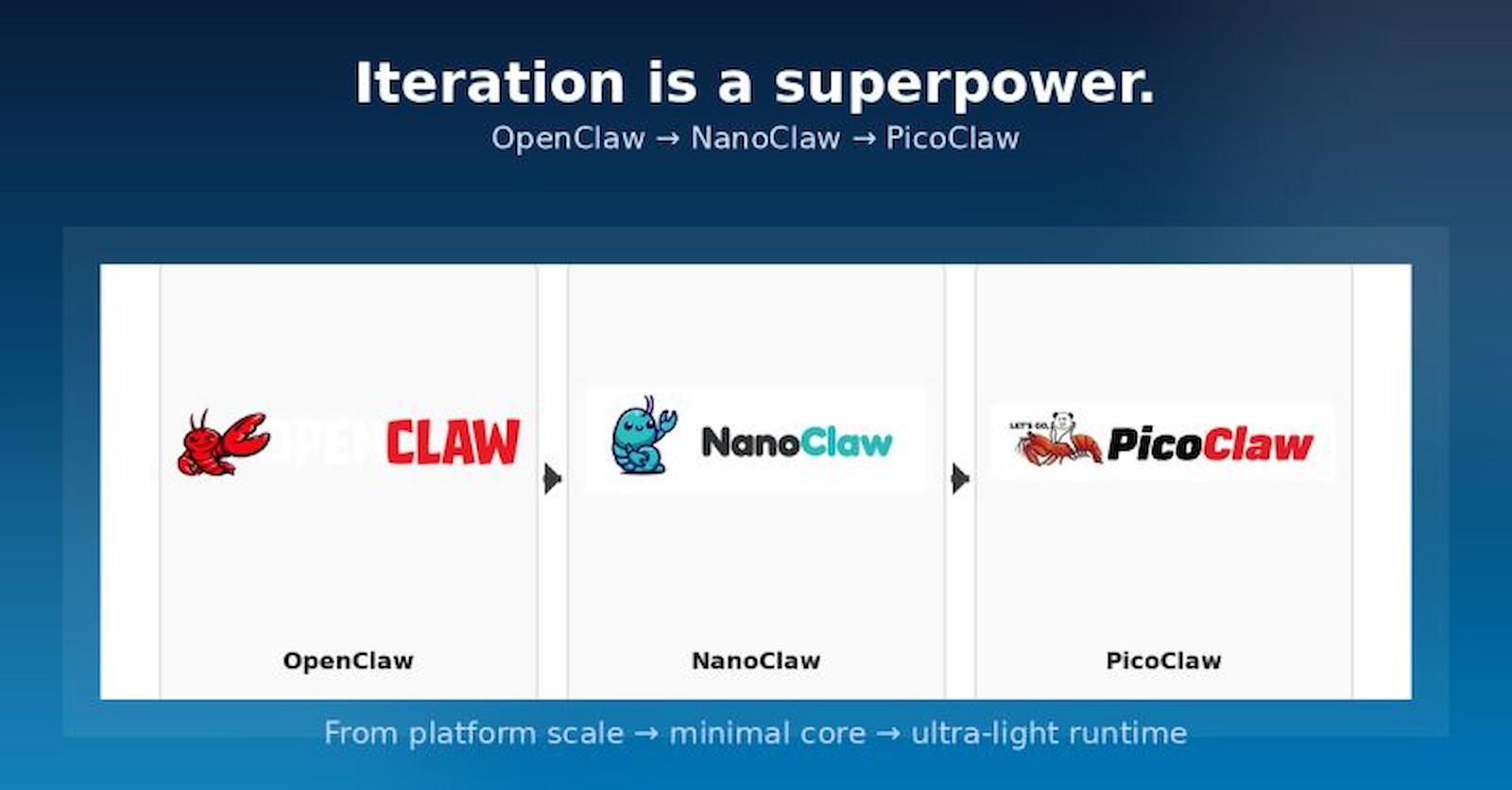
A practical comparison of OpenClaw, NanoClaw, and PicoClaw. Features vs security vs efficiency — which AI agent framework fits your needs.
Read more