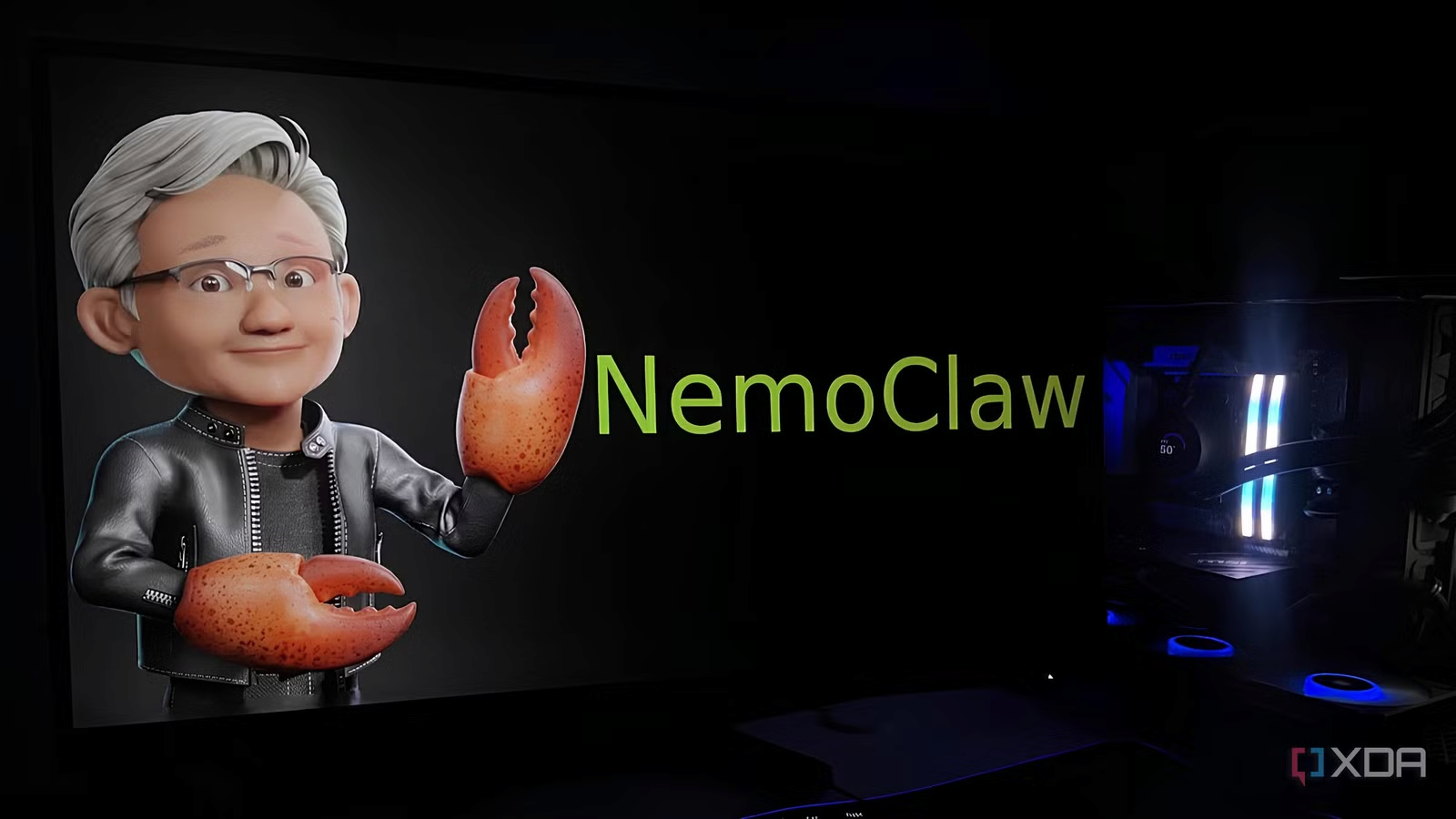
NVIDIA NemoClaw: What Happens When a GPU Giant Takes Over an AI Agent Framework
When NVIDIA announced NemoClaw at GTC 2026, it was not exactly a surprise. OpenClaw had become the most popular open-source AI agent framework practically overnight, and every major tech company was figuring out how to get a piece of that ecosystem.
NVIDIA's approach was straightforward: take OpenClaw's agent orchestration engine, wrap it in enterprise-grade security controls, and integrate it with their existing AI infrastructure. The result is NemoClaw — an open-source platform that lets companies deploy AI agents without the security nightmares that have plagued the original framework.
Why Enterprise Needed This
OpenClaw is brilliant for personal use. You install it on your laptop, connect it to Claude or GPT-4, and suddenly you have an AI assistant that can actually do things on your computer. The problem is that "doing things on your computer" is exactly what makes IT security teams lose sleep.
OpenClaw runs with your user permissions. It can read your files, execute commands, and access your network. For an individual developer, that is the whole point. For a company with compliance requirements, that is a liability.
NemoClaw addresses this with several layers:
- Sandboxed execution environments for every agent session
- Role-based access controls that limit what agents can touch
- Audit logging for every action an agent takes
- Integration with existing identity providers (SAML, OIDC)
- Data loss prevention filters that prevent agents from leaking sensitive information
The Technical Architecture
NemoClaw is not a fork of OpenClaw — it is a wrapper. The core agent logic remains the same OpenClaw engine, which means all existing skills and configurations work. What NemoClaw adds is an enforcement layer that sits between the agent and the system.
Think of it like running OpenClaw inside a very sophisticated container. The agent thinks it has full access, but every action gets filtered through NemoClaw's policy engine before it actually executes.
NVIDIA also integrated their NIM (NVIDIA Inference Microservices) platform, so companies can run models on their own GPU infrastructure instead of sending data to third-party API providers. For industries like healthcare and finance where data cannot leave the building, this is a big deal.
Who Should Care
If you are an individual developer or a small team, NemoClaw is probably overkill. Stick with OpenClaw or NanoClaw. The security overhead adds complexity that you do not need.
But if you work at a company that wants to deploy AI agents for employees — think automated IT support, code review assistants, or data analysis bots — NemoClaw is currently the most credible option for doing that safely.
The fact that it is open-source and backed by NVIDIA gives it a level of trust that no startup alternative can match right now.
Related Posts

Google Agent Space vs OpenAI Operator: The Agent Platform War
Google Agent Space and OpenAI Operator represent two different visions for AI agents — enterprise APIs vs consumer visual browsing. A detailed comparison of both platforms after a month of testing.
Read more
AI Agents Are Getting Hacked: The Security Crisis Nobody Talks About
AI agents have massive security vulnerabilities that most developers ignore. From prompt injection to supply chain attacks, here is what is actually happening and how to protect yourself.
Read more
The ClawHavoc Attack: What Went Wrong With OpenClaw Security and What We Learned
The ClawHavoc supply chain attack compromised thousands of OpenClaw users. Here is what happened, why the architecture was vulnerable, and how the ecosystem responded.
Read more