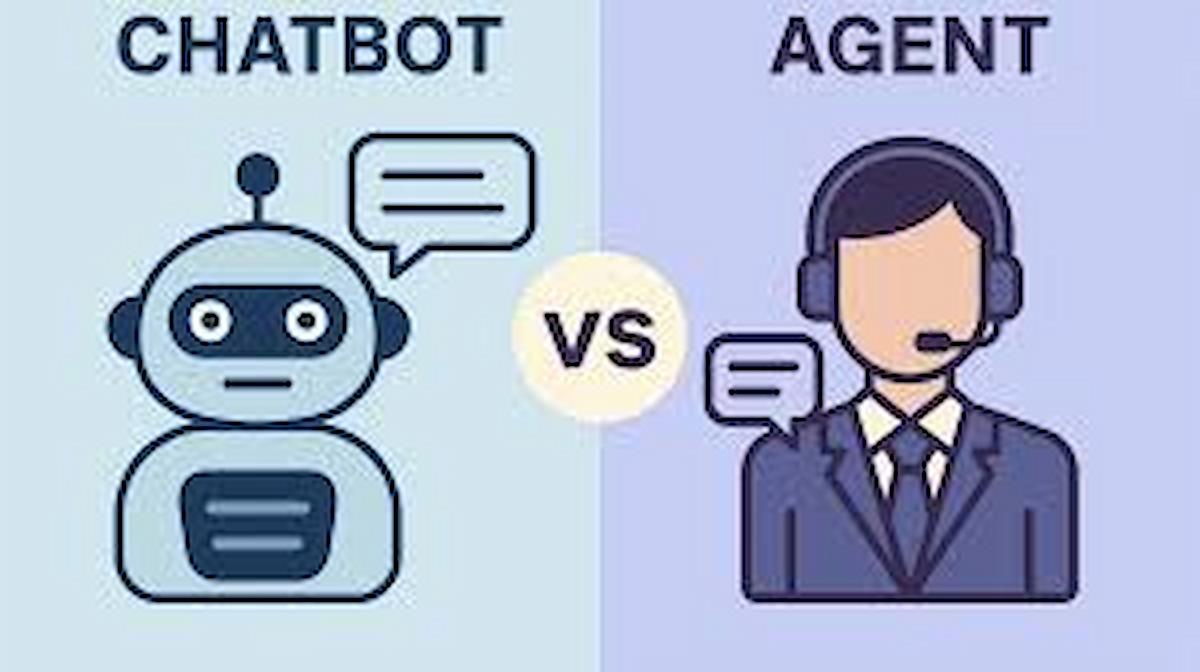
From Chatbot to Agent: What Changed and Why It Matters
Two years ago, the AI conversation was about chatbots. ChatGPT, Claude, Gemini — you typed a question, you got an answer. That was the whole interaction model. Today, the conversation has shifted to agents. Same underlying AI models, but a fundamentally different paradigm for how they interact with the world.
The shift from chatbot to agent is not just a marketing rebrand. It represents a genuine architectural change in how AI systems work, and understanding that change matters whether you are building AI products, using AI tools, or just trying to make sense of where this technology is heading.
What a Chatbot Actually Is
A chatbot is a text-in, text-out system. You send a message, the AI processes it, and it sends back a response. The entire interaction happens within the conversation. The chatbot cannot do anything outside of generating text.
// Chatbot: text in, text out
const response = await ai.chat("What is the weather in Tokyo?");
// Response: "I don't have access to real-time weather data,
// but Tokyo typically experiences..."
Notice what happened: the chatbot could not actually check the weather. It generated a plausible-sounding response based on its training data. This is the fundamental limitation of chatbots — they can only produce text, not take actions.
What an Agent Actually Is
An agent is an AI system that can take actions in the world. It has access to tools — functions it can call to interact with external systems. When you ask an agent about the weather, it does not guess. It calls a weather API and gives you the actual data.
// Agent: text in, actions + text out
const agent = new Agent({
  tools: [weatherTool, calendarTool, emailTool],
  model: 'claude-sonnet-4-20250514'
});

const response = await agent.run("What is the weather in Tokyo?");
// Agent internally calls: weatherTool.getCurrentWeather("Tokyo")
// Response: "It's currently 22°C and partly cloudy in Tokyo."
The difference is not just accuracy — it is capability. The agent can do things. It can check your calendar, send emails, create files, query databases, and interact with any system that has an API. The chatbot can only talk about doing things.
The Technical Architecture Shift
The shift from chatbot to agent involves three key architectural changes:
1. Tool Use
Agents have access to tools — functions they can call to interact with external systems. The AI model decides when to use a tool, what arguments to pass, and how to interpret the results. This is the most fundamental change.
Modern LLMs like Claude and GPT-4 have been specifically trained for tool use. They understand tool schemas, know when a tool is appropriate for a task, and can chain multiple tool calls together to accomplish complex goals.
2. Planning and Reasoning
Chatbots respond to individual messages. Agents plan multi-step sequences to achieve goals. When you ask an agent to "schedule a meeting with the team next week," it needs to:
- Check your calendar for available slots
- Check team members' calendars
- Find overlapping availability
- Create the calendar event
- Send invitations
This requires the agent to decompose a high-level goal into concrete steps, execute them in order, and handle failures along the way. Chatbots do not do this — they respond to one message at a time without a broader plan.
3. Feedback Loops
Agents operate in loops. They take an action, observe the result, and decide what to do next based on that result. If a tool call fails, they can try a different approach. If the result is unexpected, they can adjust their plan.
// The agent loop (simplified)
while (!taskComplete) {
  const action = await model.decideNextAction(context);

  if (action.type === 'tool_call') {
    const result = await executeTool(action.tool, action.args);
    context.addObservation(result);
  } else if (action.type === 'response') {
    return action.text;
  }
}
This loop is what makes agents feel autonomous. They are not just responding to prompts — they are pursuing goals through iterative action and observation.
Why This Matters for Users
For everyday users, the chatbot-to-agent shift means AI goes from being a reference tool to being an assistant that actually does things. Instead of asking "how do I book a flight?" and getting instructions, you say "book me a flight to Tokyo next Friday" and it happens.
This is more useful but also more risky. When AI only generated text, the worst case was bad advice. When AI takes actions — sending emails, making purchases, modifying files — the worst case is real-world consequences from mistakes.
Why This Matters for Developers
If you are building AI-powered products, the agent paradigm changes your architecture significantly:
- You need tool definitions. Every capability your AI can use needs to be defined as a tool with a clear schema, input validation, and error handling.
- You need state management. Agents maintain state across multiple steps. You need to track what the agent has done, what it is planning to do, and what context it has accumulated.
- You need safety rails. Confirmation prompts for destructive actions, rate limiting, permission scoping, and audit logging become essential.
- You need observability. When an agent takes 15 steps to complete a task, you need to be able to trace what happened at each step for debugging and quality assurance.
The Spectrum Between Chatbot and Agent
In practice, most AI products exist on a spectrum between pure chatbot and fully autonomous agent:
- Chatbot: Text in, text out. No tools, no actions. (Basic ChatGPT, Claude chat)
- Chatbot with tools: Can call tools when asked, but does not plan or loop. (ChatGPT with plugins, Claude with tool use)
- Assisted agent: Plans and executes multi-step tasks but asks for human approval at key points. (GitHub Copilot Workspace, Cursor agent mode)
- Autonomous agent: Plans and executes independently, only involving humans for exceptions. (Devin, OpenAI Operator)
Most useful AI products today sit in the "assisted agent" category — capable enough to handle multi-step tasks but with human oversight at critical points. Fully autonomous agents are still too unreliable for most production use cases.
Where We Are Heading
The trajectory is clear: AI is moving from conversation to action. Every major AI company is investing in agent capabilities. The tools, frameworks, and platforms for building agents are maturing rapidly.
But we are still early. Current agents are like self-driving cars at Level 2 — they can handle straightforward situations but need human supervision for anything complex or unexpected. Getting to Level 4 (reliable autonomy in most situations) will take years, not months.
In the meantime, the biggest opportunity is in the "assisted agent" space — AI that handles the routine parts of a task and hands off to humans for the judgment calls. That is where the technology is reliable enough to deliver real value today.
Related Posts

Multi-Agent Systems Explained: When One AI Is Not Enough
Multi-agent systems use multiple AI agents working together to solve complex problems. This guide covers common patterns, a practical code review example, coordination strategies, and when to use them.
Read more